

As our parents and grandparents grow older, we often notice small changes in their behaviour. Sometimes they forget where they kept their spectacles, or they might repeat the same story twice. In many Indian households, we dismiss this as a normal part of getting old. However, it is important to understand that significant memory loss and confusion are not a natural part of ageing. These could be signs of dementia, a condition that is becoming a major health challenge across the world and within our own country.
Understanding Dementia and Its Impact
Dementia is not a single disease. It is an umbrella term used to describe several different diseases that affect a person’s memory, thinking abilities, and behaviour. These changes are usually strong enough to interfere with a person’s ability to perform their activities of daily living, such as bathing, dressing, or eating.
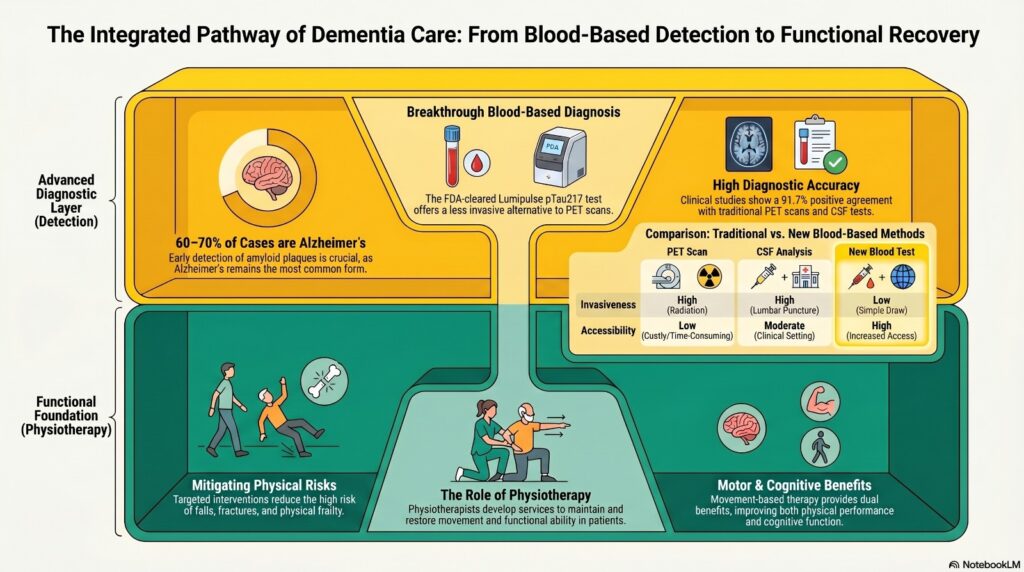
While there are many types of dementia, Alzheimer’s disease is the most common form. It contributes to nearly 60 to 70 per cent of all dementia cases. Alzheimer’s is a progressive brain disorder that slowly affects memory and thinking skills. Over time, it can even affect a person’s ability to carry out the simplest tasks.
The impact is not just on memory. Patients often experience changes in their mood, emotional control, and motivation. You might notice a loved one becoming more irritable, anxious, or losing interest in hobbies they once enjoyed. Physically, the condition leads to impaired performance and mobility. Patients often become frail and face a much higher risk of falling and sustaining injuries, including fractures.
The Growing Scale of the Problem
Dementia is currently the seventh leading cause of death globally. It is also a major reason why older people become dependent on others for their daily needs. The numbers are quite alarming. Data shows that about 10 per cent of people aged 65 and older have Alzheimer’s disease.
Looking ahead, experts predict that by the year 2050, the number of people living with this condition will double. While these statistics are often cited from international studies, the Indian context is equally serious. With our improving healthcare, more Indians are living well into their 70s and 80s, which means the number of families dealing with dementia is rising every year.
The Vital Role of Physiotherapy
When people think of dementia treatment, they usually think only of medicines. While doctors play a central role, physiotherapy has become a very relevant and useful intervention for managing the disease. Physiotherapists are experts in movement and functional ability. They are perfectly placed to support the physical well-being of a person living with dementia.
Here is how physiotherapy helps in a practical way:
- Improving Mobility and Balance: Dementia often affects how a person walks. A physiotherapist works to maintain and restore movement, which helps the patient stay independent for a longer time.
- Preventing Falls: Because patients often become physically frail, they are at a high risk of fractures. Physiotherapists design specific exercises to improve balance and strength, making the home environment much safer for the elderly.
- Cognitive Benefits: Interestingly, physical activity is not just for the muscles. Research indicates that physiotherapy provides both motor and cognitive benefits. Regular movement can help keep the brain more engaged and may help in slowing down the decline of thinking skills.
- Reducing Caregiver Burden: When a patient can move better and take care of some of their own needs, it reduces the physical strain on the family members who are looking after them.
In India, we often have the advantage of living in joint families where there are many hands to help. However, there is a caveat. Without professional guidance from a physiotherapist, we might unintentionally make the patient more dependent by doing everything for them. A physiotherapist teaches the family how to encourage the patient to move safely.
New Hopes in Diagnosis
Early and correct identification is the most important first step in managing the condition. For a long time, diagnosing dementia was a long and difficult process. It could take three to six months and involve invasive tests like spinal taps or very expensive PET scans.
There is good news on this front. The FDA recently cleared the first commercial blood test to help diagnose Alzheimer’s disease. This test measures specific proteins in the blood to detect signs of the disease. This is a much less invasive and more accessible option for patients. While this technology is new, it shows that the medical world is moving toward making it easier for families to get a clear answer early on, which is essential for starting the right care plan.
Advice for Patients and Families
If you suspect a family member is showing signs of dementia, you must take a firm and proactive approach. Do not wait for the symptoms to get worse.
First, consult a qualified doctor or a neurologist. They will use a combination of behavioural assessments and medical tests to understand what is happening. If a diagnosis is confirmed, remember that while there might not be a total cure, there is a lot that can be done to improve the quality of life.
Second, bring a physiotherapist into the care team early. Do not wait for a fall to happen before calling one. A physiotherapist can create a specific routine for the patient based on their stage of dementia. Consistency is key. Ensure that the patient performs their prescribed exercises daily.
Third, focus on the home environment. Simplify the surroundings to reduce confusion. Make sure floors are not slippery and that there is enough light in the rooms. This, combined with physiotherapy, will significantly reduce the risk of accidents.
Finally, take care of the caregivers. Looking after someone with dementia is a full-time job that can be emotionally and physically draining. Families should work together to share responsibilities and seek professional home-care support if needed.
Managing dementia requires a team effort between the family, the doctor, and the physiotherapist. By focusing on both medical care and physical movement, we can ensure our elders live their later years with the dignity and comfort they deserve.